
Want to know why your competitors are growing faster on social media? Or how to attract and engage their audience? A social media competitive analysis helps you find out their strategies so you can improve yours. It’s not about copying. It’s about using real data to benchmark your brand, find opportunities, and build a smarter strategy.
In this guide, you’ll learn:
- What a social media competitive analysis is
- Why it’s important
- A step-by-step process with a free template
- Recommended tools
- How to turn insights into action
What is a Social Media Competitive Analysis?
A social media competitive analysis involves studying your competitors’ social media activity to understand what works in your industry. This will help you compare your performance with key players, identify content gaps, and find opportunities to grow your social media presence.
When doing a competitive analysis for social media you’ll look at:
- Content strategy
- Posting frequency
- Engagement rate
- Customer interactions
- Tools and tactics your competitors use
With this information, you can identify strategic growth opportunities and create an action plan that sets you apart. This is the goal.
What are the benefits of a Social Media Competitive Analysis?
Besides an internal account audit of your own accounts, a competitor analysis helps you understand the external environment your business operates in. And since online competition is getting more important than brick and mortar shops, studying your competitors social media presence is crucial.
Here are some of the key benefits of running a social media competitor analysis.
1. Improve Your Social Media Strategy
Learn what content types and formats (e.g. Reels, carousels, polls) drive the most engagement for your competitors, and adapt those insights for your brand.
2. Deliver Better Customer Support
According to Sprout Social, 73% of consumers will switch to a competitor if a brand doesn’t respond on social media. By analyzing competitors’ response times, tone, and customer interactions, you can improve your own support.
Tip: Consider using AI chatbots to handle common queries and free up your team for complex support requests.
3. Spot Viral Trends Early
If competitors are experimenting with new features (like AR filters or TikTok-style short videos), you can adopt these trends before they become mainstream.
4. Find Content Gaps You Can Fill
Identify what your competitors aren’t doing well, like poor response times or lack of educational content, and position your brand as the solution.
How to Perform a Social Media Competitive Analysis
Here’s a simple step-by-step process to run your own analysis.
1. Identify Your Social Media Competitors
Look at brands in your industry that are active on social media. These can be:
- Direct competitors: Sell the same products or services as your brand.
- Indirect competitors: Serve a similar target audience, so you’re competing with them for attention.
How to find your social media competitors?
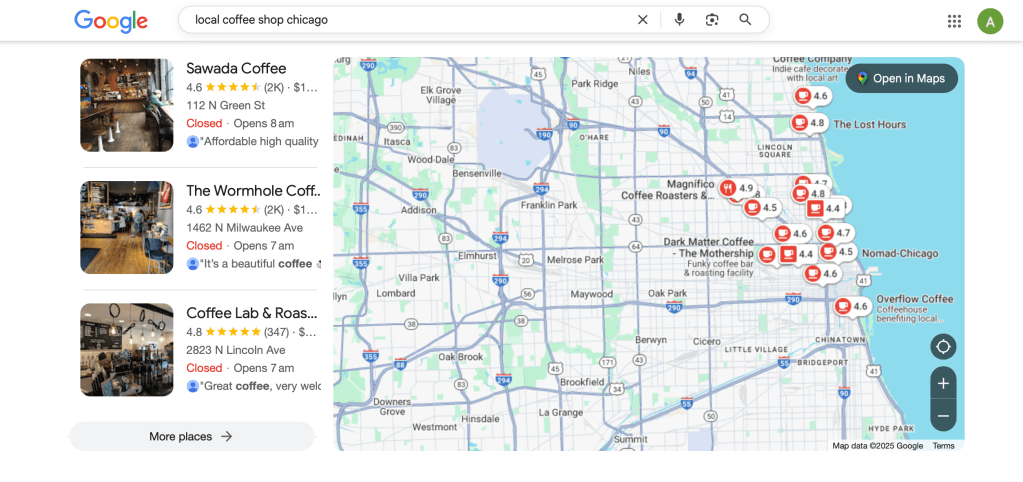
The easiest way is to do a Google search. Go to Google and type industry keywords like “best orthodontist in Geneva” or “local coffee shop in Chicago.” Then look through the search results. You will need to eliminate brands that are too large, or too niche. Find competitors that are similar to your business size.
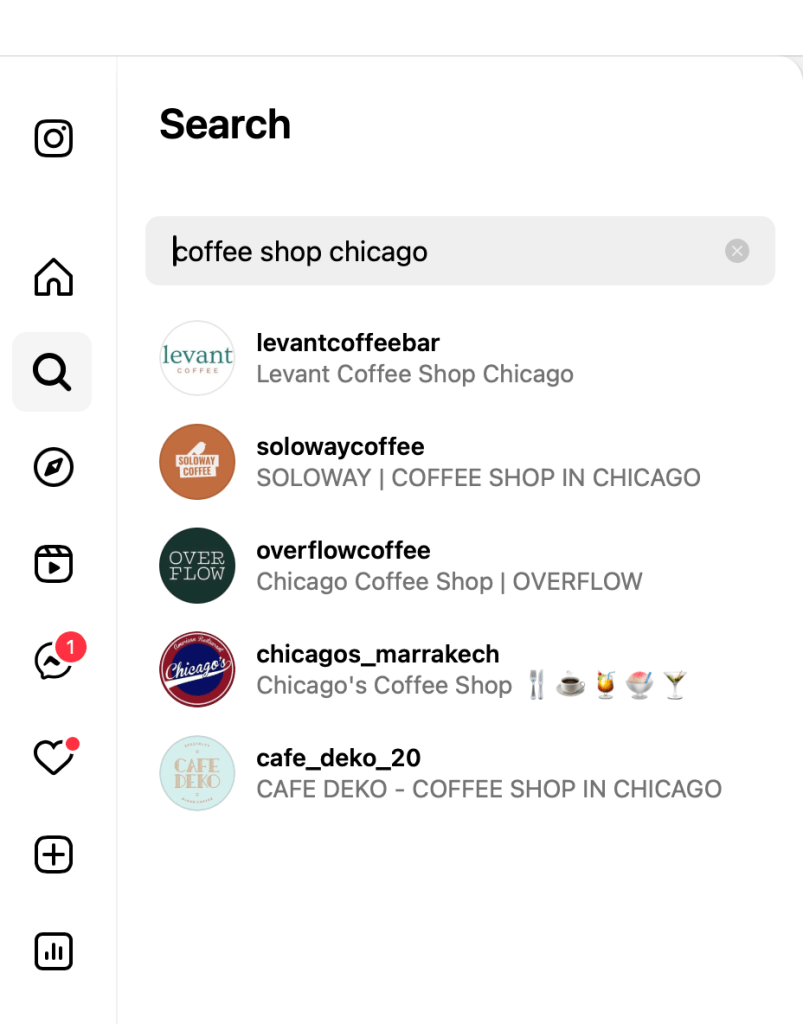
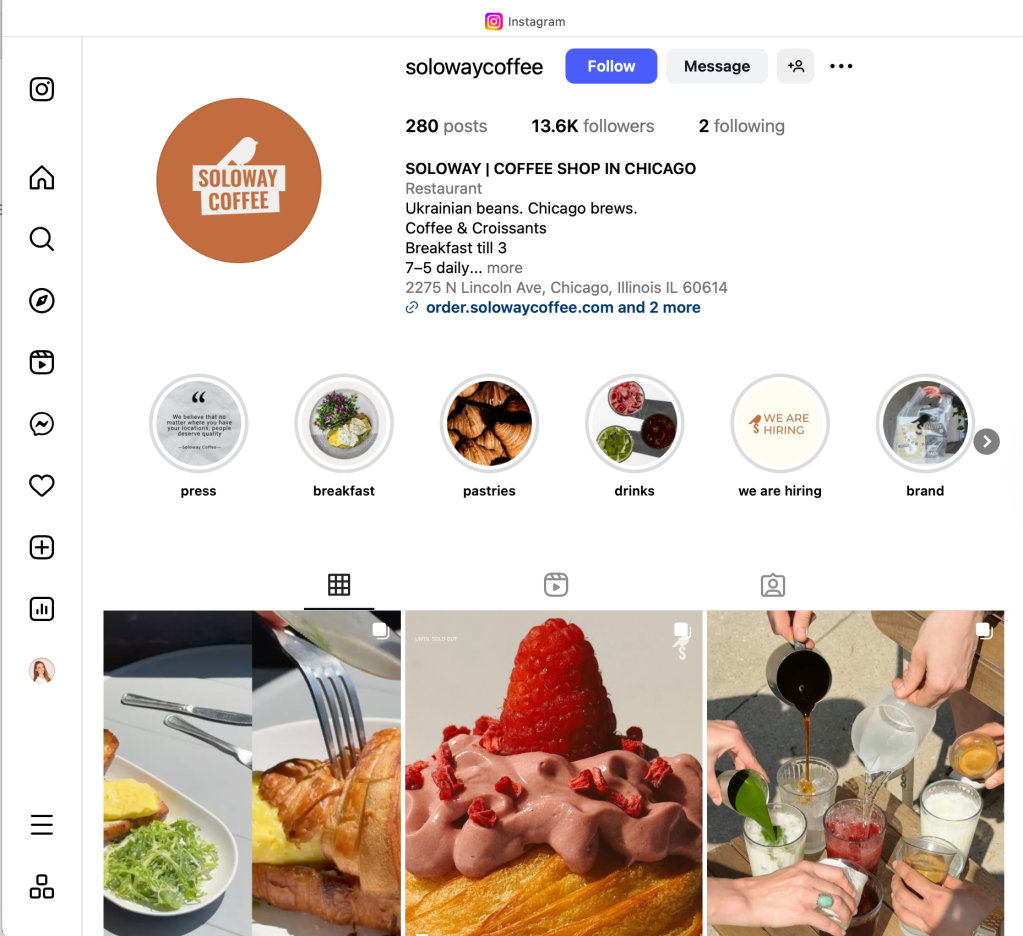
Another way to find competitors is to do a social media search. Go to Facebook, Instagram, Twitter or LinkedIn and look up hashtags, keywords, and locations. See the top content and find out which brands are those.
2. Gather Key Competitor Insights
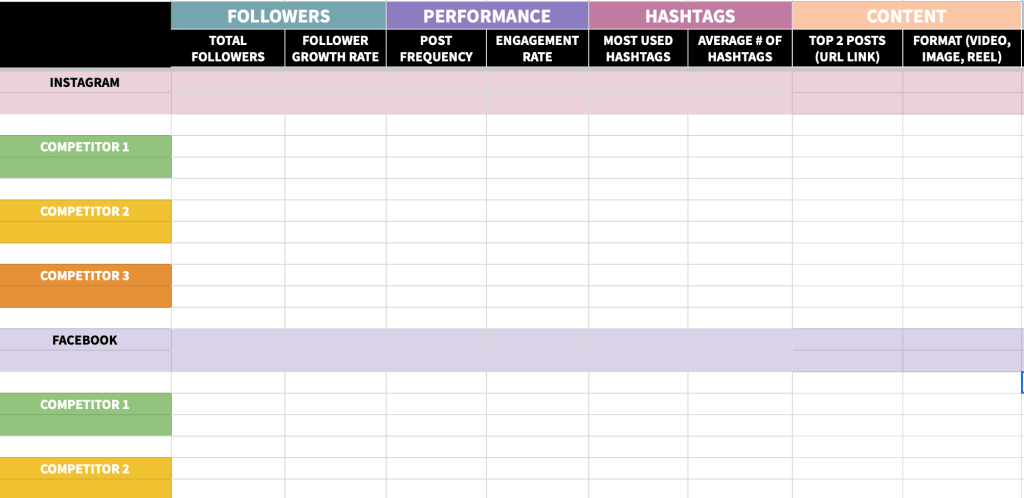
Create a worksheet (or use our free template below) and start tracking:
- Followers and growth rate
- Engagement rate (likes, comments, shares)
- Posting frequency
- Content formats (Reels, Stories, carousels)
- Hashtags used
- Brand voice and tone
- Response time and customer interactions
- Top-performing posts
You can gather this data manually for each social media platform, but tools like Pallyy make it much easier. Pallyy lets you study your competitors’ insights, generate benchmarking charts, and even track multiple platforms in one dashboard.
How to find competitor insights in Pallyy:
- Go to Analytics → Competitors.
- Tap on Manage Competitors button.
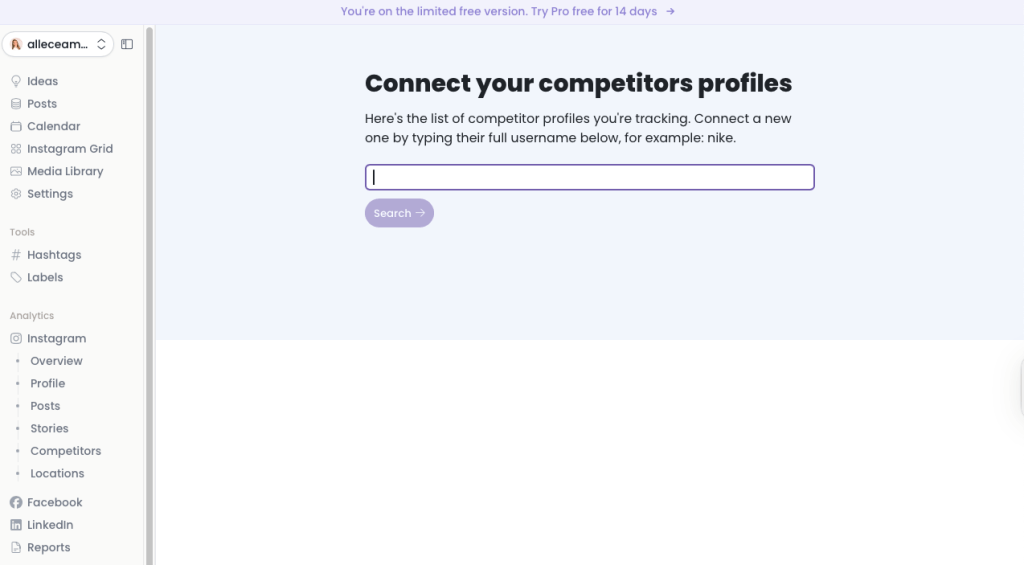
- Enter your competitors’ usernames.
- View insights like competitor followers growth, competitor engagement rates, top posts in a month, most popular hashtags they use and posting frequency side-by-side.
- You can also generate custom analytics reports with competitor benchmark charts.
Sample – Competitor insights in Pallyy
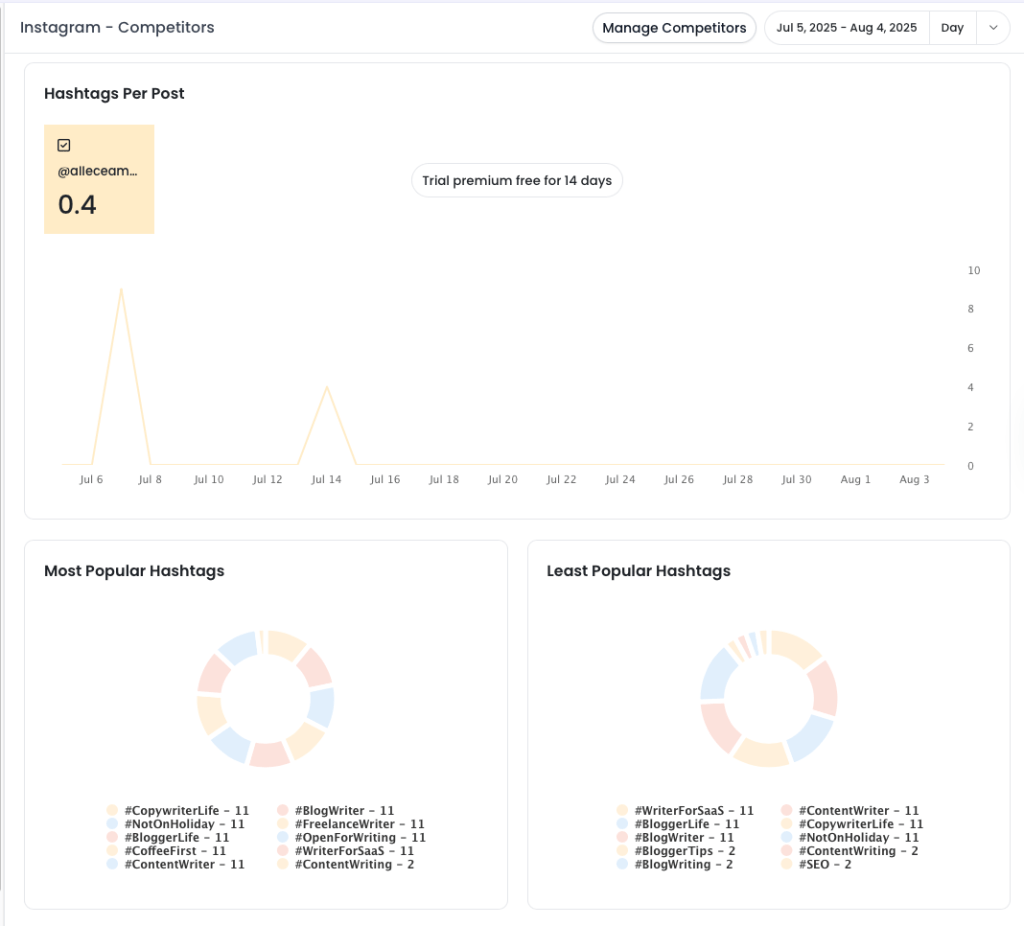
This data gives you a clear picture of their social strategy, and what’s actually working for them.
3. Do a SWOT Analysis
Once you have gathered the data, turn it into actionable insights using a simple SWOT framework:
- Strengths: What are your competitors doing well?
- Weaknesses: Where are they falling short?
- Opportunities: What gaps can you fill?
- Threats: What risks should you watch for?
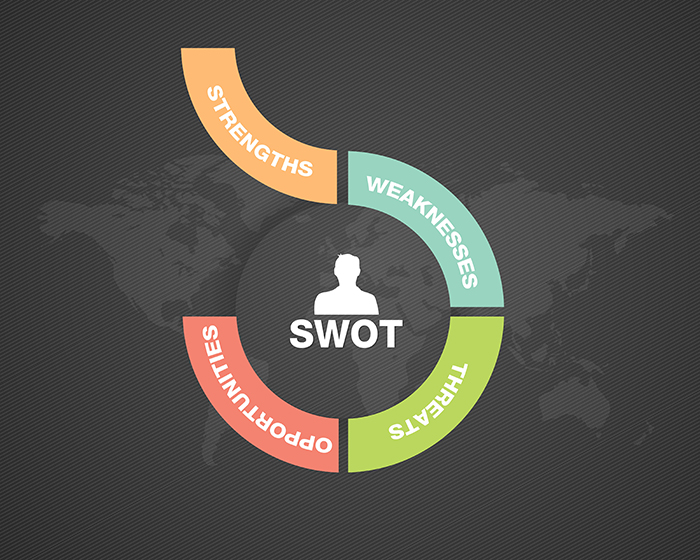
Focus on identifying opportunities. This step helps you see where you can compete how to differentiate your strategy against that of your competitors.
4. Monitor Competitors Regularly
A one-time competitor audit isn’t enough. Social media changes fast, and your competitors do too.
Ideally, you should check in every 6 months to:
- Update your competitors data
- Track major changes in your industry
- Identify new competitors
- Adjust your content strategy accordingly
5. Apply What You Learn
Doing a Competitive Analysis without taking action is useless. Use your competitive analysis findings to:
- Adjust your posting frequency
- Test new content formats
- Improve your customer service response time
- Refine your brand voice and how you respond to customer comments
- Fill in the gaps your competitors miss
Download Your Free Template
To make this easier, we’ve created a free Social Media Competitive Analysis Template (Excel/Google Sheets) that includes:
- A competitor tracking sheet
- A SWOT analysis template
- A reporting dashboard to summarize your findings
Conclusion
A social media competitive analysis is a great way to understand your industry. It helps you learn from your competitors and derive actionable opportunities for growth. With the right tools and a clear framework you can build a solid social media strategy.
And if all this feels overwhelming or you simply don’t have the time, I can help. Reach out for a personalized Instagram audit, and I’ll review your profile, compare it against key competitors, and give you a clear action plan to grow faster.
 Studio Scribis
Leave a comment