
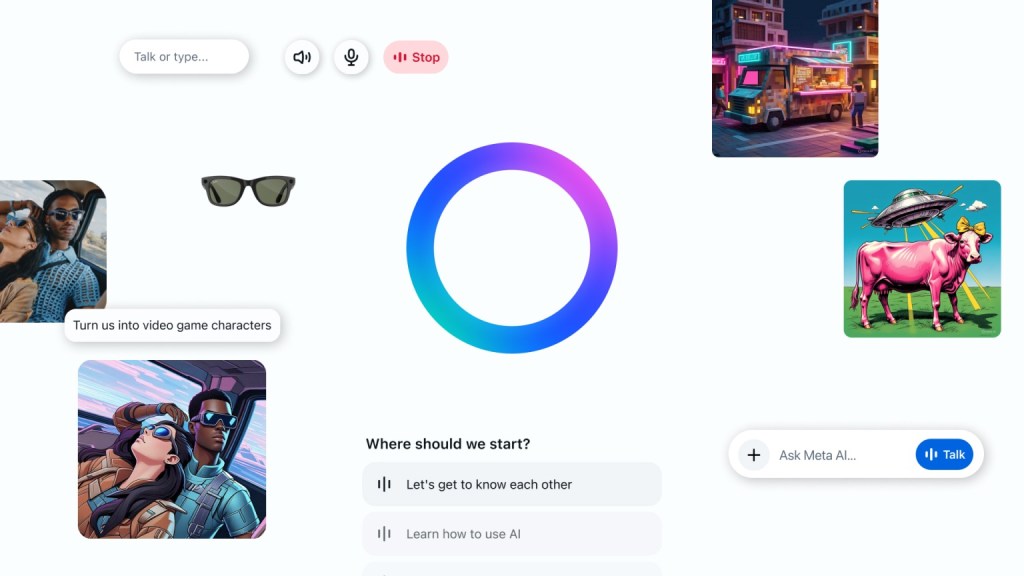
Personalised ads – or ads that are getting too close to your personal life?
Starting December 16, 2025, Meta will begin using your conversations with its AI chatbot to define the ads you see on Facebook and Instagram.
That means if you ask Meta AI about travel destinations, don’t be surprised when your feed fills up with hotel deals, airline promos, or Reels about “best places to visit.”
Ads will even be based on audio chats, photos, videos, and data from Meta’s Ray-Ban smart glasses, launched in September this year.

Image: Meta-Rayban smart glasses. Source: Meta
Now, Meta makes 99% of total revenue from selling you ads. So it would be a natural direction to keep expanding their ads segments. But this time, they’re going after your personal AI conversations.
Meta’s Next Big Move: “Personal Superintelligence”
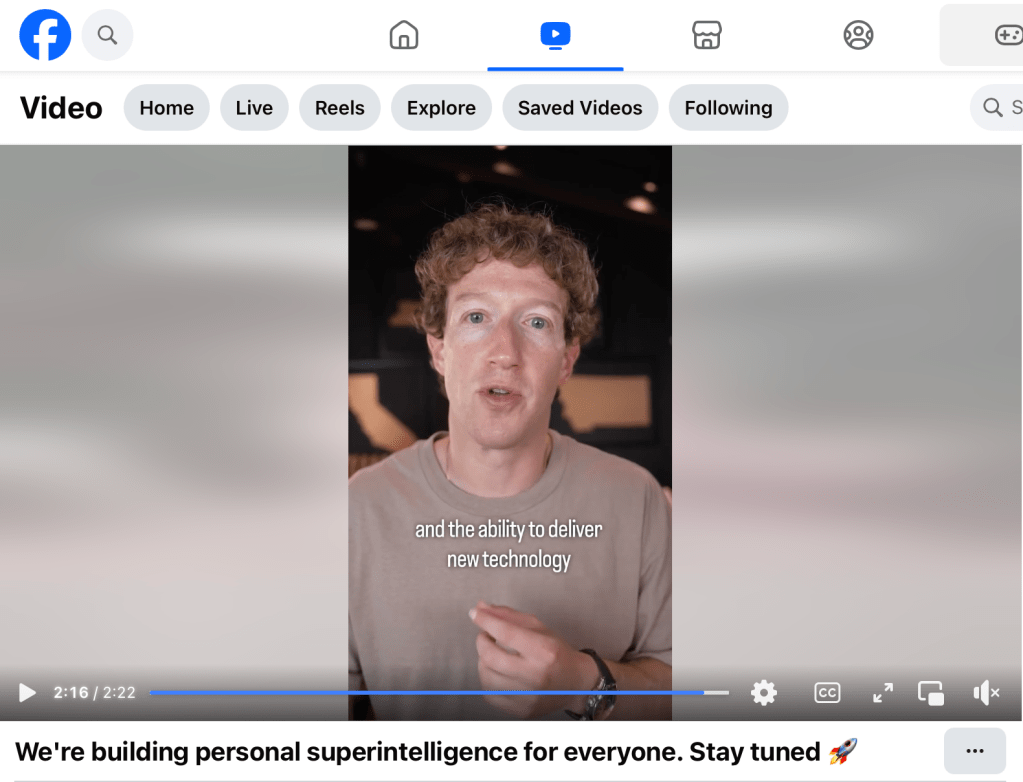
In May 2025, Mark Zuckerberg announced that Meta is now building what he calls a personal superintelligence.
Unlike productivity-focused AI tools, this isn’t about helping you do your job faster, it’s about creating an AI that listens, learns, and knows: you.
“Meta’s vision is to bring personal superintelligence to everyone… a personal AI that knows you deeply, understands your goals, and helps you achieve them.”
– Mark Zuckerberg, July 2025
At first glance, this sounds exciting! Like, who wouldn’t want an AI that helps you become the best version of yourself? But when you look at Meta’s existing business model, this vision quickly becomes more commercial.
Meta makes billions in revenue from targeted ads, and now, wants to build an AI that knows what you think? We should question that.
And here’s the catch: you can’t opt out of these AI-powered ad recommendations unless you stop using Meta AI entirely.
What’s an AI chatbot?
An AI chatbot is a digital assistant that uses artificial intelligence (AI) to have human-like conversations. Instead of just giving standard responses from a library of terms, it can “understand” your questions, generate answers, and make personalised suggestions.
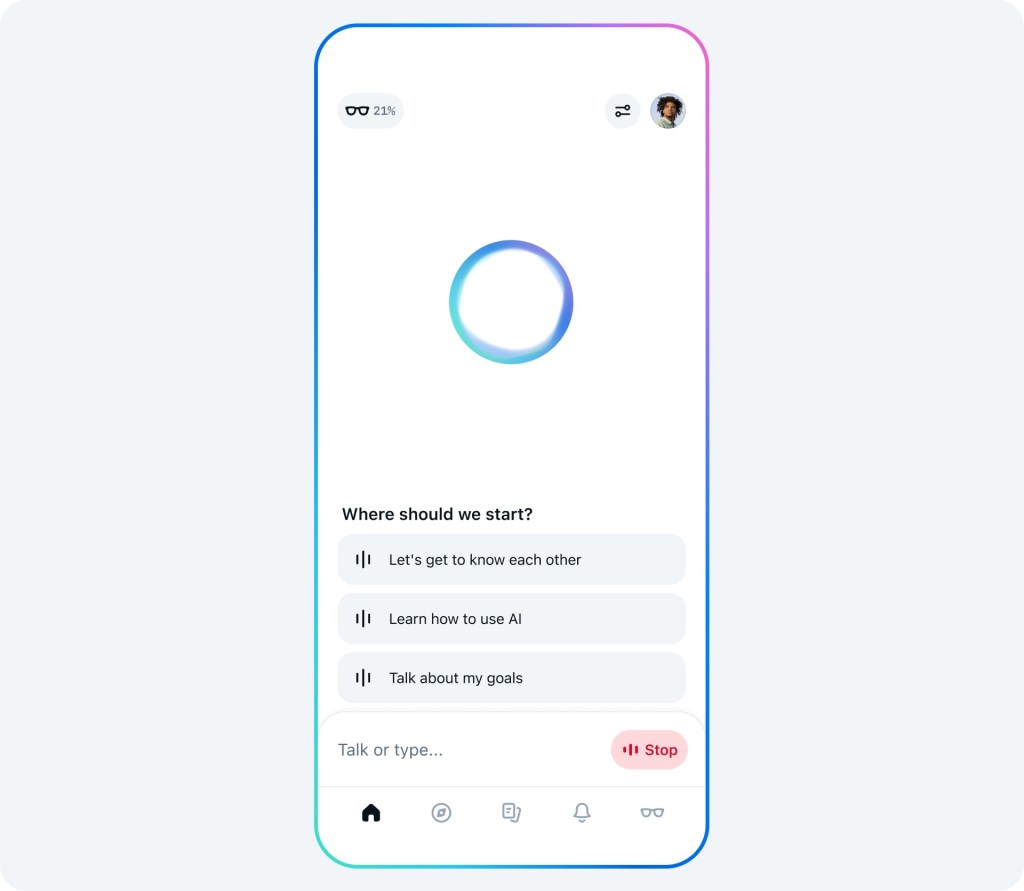
Examples of such AI chatbots include: Meta AI, ChatGPT, Gemini, and Claude. They’re all chatbots designed to mimic natural conversation and learn from having conversations with real people.
Even platforms like Wonderchat AI now let users create AI chatbots for customer service on e-commerce websites like Shopify.
So yes, we’re starting to see AI chatbots everywhere.
Here’s a hard truth: your conversations with AI chatbots aren’t legally private
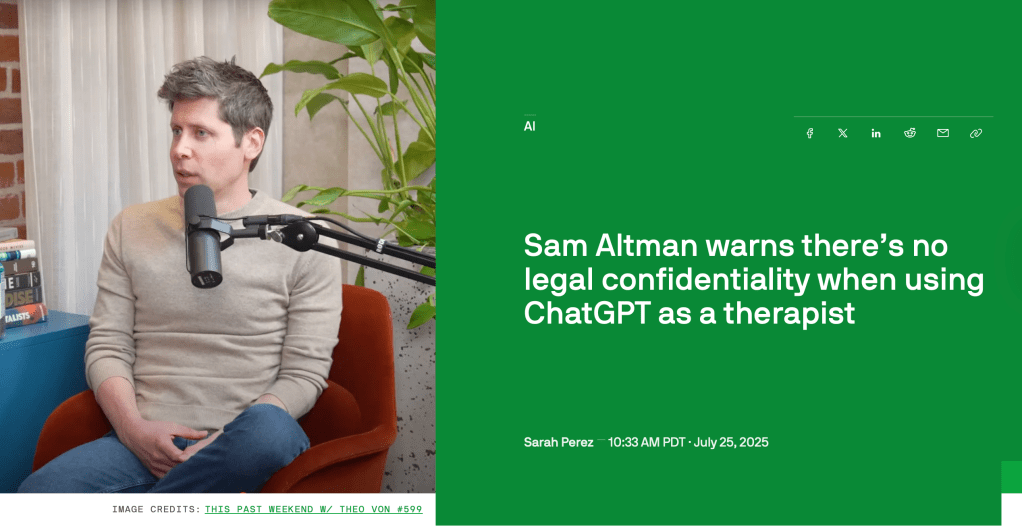
The Privacy Reality: OpenAI’s CEO Sam Altman has already admitted in a YouTube interview that ChatGPT conversations aren’t legally protected.
If subpoenaed, OpenAI could be legally required to hand over conversations to authorities – a reminder that what’s discussed in an AI chat doesn’t stay private. (TechCrunch)
So if that’s already true for ChatGPT, and other general AI tools, what happens when Meta’s chat data becomes an integral part of its ads targeting system?
My take on AI chatbot ads
Meta executives call this superintelligence the “natural next step,” in personalised ads. But what it really shows is that your private chats, thoughts, and issues are now being used in the biggest advertising machine.
Personally, I’m uneasy about AI chatbots in general, but even more so in a “superintelligence” deciding what ads are “best for me” based on my private conversations.
Because at this point, the line between private conversation and marketing data is officially gone.
 Studio Scribis
Leave a comment